
Fence Removal and Replacement
Describe the fence coming out and the boundary you want to put back. We can arrange old-fence removal. Include removal and disposal in your quote request.
Call 0495 033 623Get the scope clear before the quote.
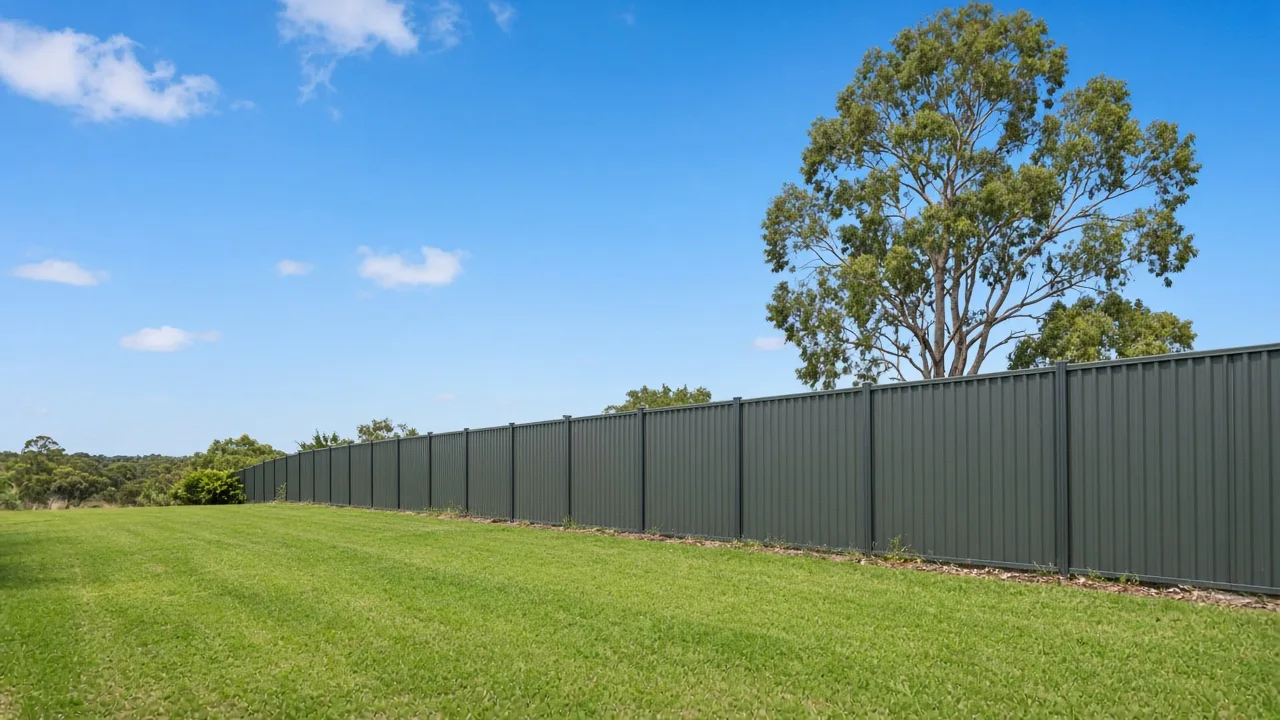
Assessing a replacement fence
Show the whole existing boundary and explain what needs to change. A leaning panel, an old gate and a damaged post may involve different work. Ask the installer to assess whether the proposed replacement covers the full run or only part of it.
Removal and disposal are separate items
Old-fence removal is available. Name the existing material and show any concrete or masonry parts. Do not assume that removal, loading, transport and disposal are included in a new-fence price. Ask for these items in writing.
Keep the boundary safe during work
Discuss access, pets and the adjoining property before the old fence is taken down. Any temporary arrangements need to be agreed with the installer and neighbour. This enquiry does not include temporary fence hire.
Choose the replacement material
Compare Colorbond® steel and lap-and-cap timber against the appearance and care you want. Record the complete system, height and finish in the scope. Matching an old fence may require a material sample or a closer inspection.
What changes a replacement quote
The amount to remove, post and footing work, access and waste handling can change the total. Include gardens and structures close to the fence line in your photos. Ask for a written total with exclusions before agreeing.
Prepare the new fence line
Discuss clearing plants and obstacles before the measure. Keep boundary-location questions separate from assumptions about where the old fence stands. Ask who is responsible for checking the boundary if it is uncertain.
What to photograph before requesting replacement
Take a view looking along the fence from each end so the overall layout is visible. Include a close-up of the old posts and any gate supports. Show the route from the street to the work area, especially if equipment would need to pass through a side gate. If you do not know the material, describe what you can see rather than guessing. The installer should identify the work and any special handling required during the assessment. Keep people, private documents and neighbouring interiors out of the photos.
Keep the new specification separate from the old one
Replacing a fence is a chance to check whether the new layout and material suit what you need now. Write down what should stay the same and what you want changed. This might be a different finish, a gate in a new position or a revised boundary run. An existing fence does not establish that the same height or location is suitable for a replacement. Ask the installer what needs checking before the final scope is agreed, and discuss shared-boundary decisions with the adjoining owner.
Read the exclusions before accepting a price
A replacement quote should make clear whether old concrete footings, difficult access or work beside structures are included. Ask who clears plants and moves stored items. Check whether the price is for the full boundary or only the measured section. If the installer finds conditions that could change the work, agree how variations will be documented before work proceeds. Timing, site preparation and payment terms belong in the agreement with that installer. The enquiry itself is only a description of the proposed project.
Steel or timber for the replacement
A steel panel fence and a lap-and-cap timber fence have different component details and appearance. Compare each option against the same measured boundary and required openings. Have the installer name the materials and finish, including the supports, rather than quoting a broad category alone. For timber, ask about treatment and any coating. For steel, ask for the proposed system and care instructions. Keep removal as its own item so you can compare replacement options without losing sight of what needs to come out first.
What changes the price of fence replacement?
A metre rate only tells part of the story.
Compare the whole scope.
- Fence length & height
- Measure each run and note changes in height. A short return or corner needs to be included too.
- Old-fence removal
- Tell us what is coming out. The old material, length and disposal requirements affect the removal cost.
- Slope & ground levels
- A change in level can affect the panel layout, gaps and the work needed along the boundary.
- Posts & footings
- The proposed fence system, ground conditions and exposure need assessment before footing details are agreed.
- Access to the fence line
- Narrow side access, gardens and obstacles can change how materials and waste are moved.
- Gates & openings
- Count the openings and note their widths. Gates, hardware and support posts affect the total.
Get a free quote for your fence. Length, site conditions and inclusions determine the total.
Plan a fence in your area.
Start with our Ipswich location guides, or tell us where your project is when requesting a free quote.
Fencing questions,
straight answers.
All fencing FAQs What changes the price of a fence?
Length and height are the starting point. Removal, slope, footing requirements, access and gates can change the total. Ask for a written quote that lists these separately.
Can a fence include a gate?
Yes. Gates can be included in your fencing project. Tell us how many openings you need and their approximate widths.
Can the fence be attached to a retaining wall?
The fence and wall need to be considered together. Tell the installer about any existing wall and ask who will assess the support and connections.
Will I receive a written quote?
Ask the responding installer for a written scope, total price, exclusions and payment terms before agreeing to the work. An enquiry is not a booking or a construction contract.
Can I replace a gate with my fence?
Yes. Include the existing gate and opening in your enquiry so the replacement can be included in your quote.
Shared boundary? Read the Queensland Government dividing-fence guidance before agreeing to work.
Choose your fence.
Start with the material.
Then work through the details.