
Lap-and-Cap Timber Fencing for Homes
Overlapping palings and a capped top give a timber boundary a defined finish. Start with the timber, layout and upkeep you want, then get the details written down.
Call 0495 033 623Get the scope clear before the quote.
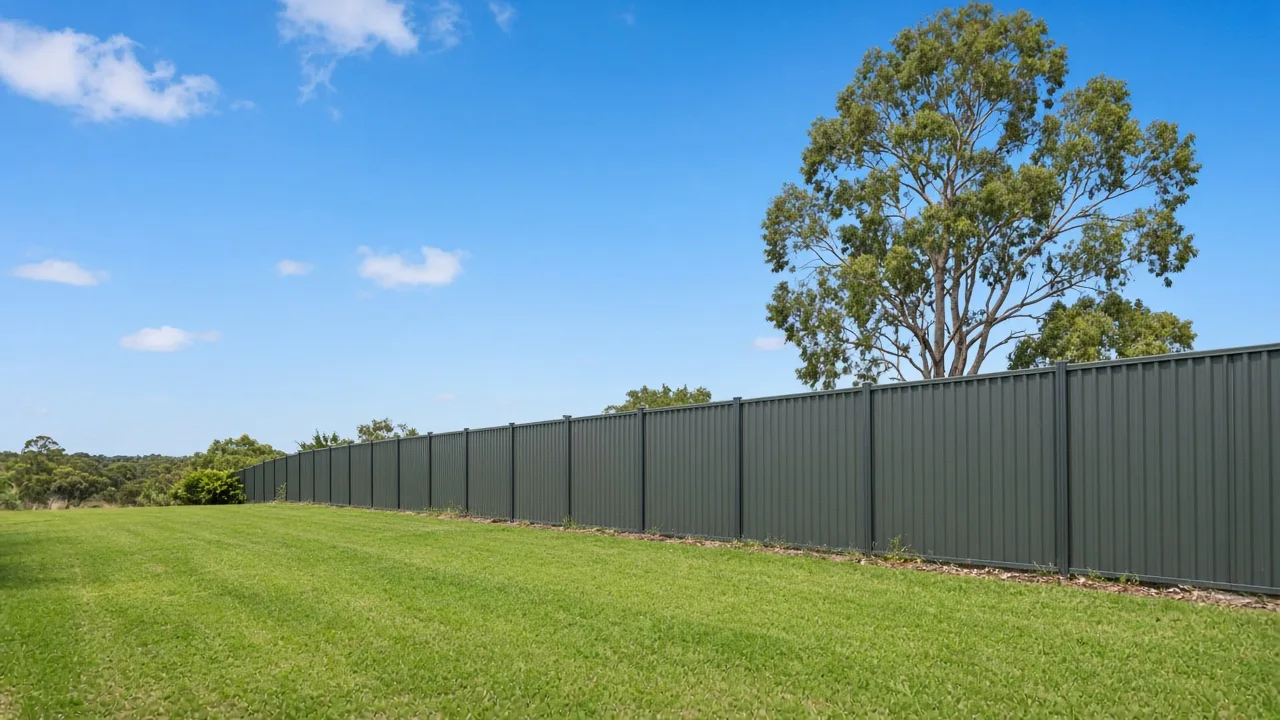
What makes a lap-and-cap timber fence
A lap-and-cap fence combines overlapping timber palings with a rail that caps the top. The arrangement gives the boundary its characteristic finish, but that name alone is not a complete specification. Ask what timber is proposed, how it is treated, what posts and rails are included and how the base will be finished. If you are matching a neighbouring fence, a clear photo can help show the paling arrangement and capping detail. The installer still needs to confirm available materials and the dimensions before pricing the job.
Timber selection and the finished appearance
Treated pine and hardwood are terms to discuss with the installer rather than interchangeable items on a quote. Ask for the proposed species or product, treatment and intended use. Decide whether the fence is to be left as supplied or whether a coating or finish is part of the work. Natural variation is part of timber, so compare material samples and the actual specification. Avoid making a choice from a photograph alone. Where a particular appearance matters, record the expected finish and which side will face your property before work is agreed.
Capping, posts and the base of the fence
The top rail is only one part of the fence. Posts, rails, palings and the base detail need to work together on the proposed boundary. Tell the installer about soil levels on both sides and any existing retaining wall. A timber boundary fence should not be assumed to hold back soil. If a plinth or another base detail is proposed, ask for it to be named and priced. Corners, short returns and junctions with existing fencing also belong in the measured scope. These details can change both the appearance and the amount of work.
Replacing an older timber boundary
For a replacement, show which parts of the existing fence are damaged and whether any posts or gates are staying. Reusing parts is a question for assessment, not an assumption to make from the street. Old-fence removal is available. Include removal and disposal in your quote. Think about access while the boundary is open, especially if pets or adjoining gardens are involved. Agree any temporary arrangements directly with the installer and neighbour. A request for a new fence does not automatically include temporary fencing.
Timber fencing cost and the written inclusions
The material, height and length are the starting point for a timber quote. Post details, footing work, capping, plinths and any coating can change the total. Tight access or a boundary that changes level can also affect the work. Ask whether the quote includes all materials, labour, removal and disposal, and whether gates are priced separately. No national per-metre rate is published here. Any future range must be labelled as an estimate and checked against a site-specific written quote. The cheapest-looking figure is not comparable until the inclusions line up.
Timber upkeep compared with steel fencing
Ask the installer what care is recommended for the timber and any coating they propose. Weathering and finish choices should be part of your material decision. Colorbond® steel gives a different panelled appearance and has its own care guidance. Neither material removes the need to consider ground levels, layout and installation requirements. If upkeep is your main concern, ask for specific care instructions before selecting a system. If matching the house or an existing fence matters most, compare the proposed materials in that setting rather than treating all timber or steel products as identical.
Preparing a lap-and-cap fence enquiry
Include your suburb, approximate length and a photo of the boundary. Explain whether this is a new fence or a replacement and say if capping, a plinth or a particular finish matters to you. Add any gate openings you need. A measure should establish the final dimensions and site requirements. Request a free quote for the work you need. Ask the responding installer to provide the scope, total price, exclusions and timing before you enter a contract.
What changes the price of lap-and-cap timber?
A metre rate only tells part of the story.
Compare the whole scope.
- Fence length & height
- Measure each run and note changes in height. A short return or corner needs to be included too.
- Old-fence removal
- Tell us what is coming out. The old material, length and disposal requirements affect the removal cost.
- Slope & ground levels
- A change in level can affect the panel layout, gaps and the work needed along the boundary.
- Posts & footings
- The proposed fence system, ground conditions and exposure need assessment before footing details are agreed.
- Access to the fence line
- Narrow side access, gardens and obstacles can change how materials and waste are moved.
- Gates & openings
- Count the openings and note their widths. Gates, hardware and support posts affect the total.
Get a free quote for your fence. Length, site conditions and inclusions determine the total.
Plan a fence in your area.
Start with our Ipswich location guides, or tell us where your project is when requesting a free quote.
Fencing questions,
straight answers.
All fencing FAQs What is lap-and-cap fencing?
It is a timber fence with overlapping palings and a capping rail along the top. Ask the installer to specify the timber, treatment, posts and finish in the quote.
How do I choose between steel and timber?
Start with the appearance you want, the surrounding fences and the upkeep you are prepared to do. Compare the complete fence system and site requirements, rather than a panel price alone.
Can I request timber to match an existing fence?
Send a clear photo and describe the parts you want to match, including the capping, posts and finish. The installer needs to confirm available materials.
Can I get a price per metre?
A per-metre estimate is useful only when the inclusions are clear. A site measure and a written scope are needed before you can compare the total cost.
Who pays for a shared boundary fence?
In Queensland, neighbours usually contribute equally to a sufficient dividing fence. Extra work beyond that can be paid by the neighbour who wants it. Discuss the scope and cost before work starts and check the Queensland Government guidance linked below.
Shared boundary? Read the Queensland Government dividing-fence guidance before agreeing to work.
Choose your fence.
Start with the material.
Then work through the details.